








By Tatiana Martins, journalist at G&M News.
The first generation of online casino products focused mainly on convenience: players could access roulette, blackjack and baccarat from a computer or mobile device without visiting a physical venue. Live casino is changing that proposition by adding human presence, real-time interaction and visual storytelling.
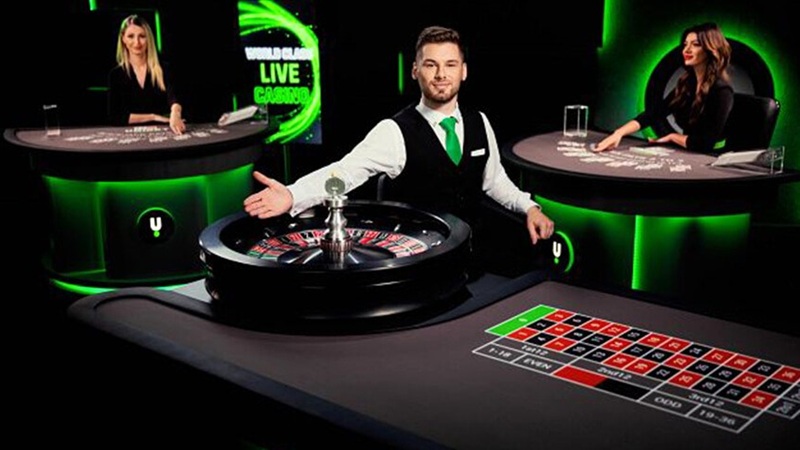
A live casino studio is not simply a room with cameras pointed at a table. It is a purpose-built broadcasting facility in which professional dealers host games for online audiences, with production teams, lighting, multiple camera angles and streaming technology designed to reproduce the atmosphere of a traditional casino.
That distinction is important. In a standard digital game, the interface is the product. In live casino, the dealer, the studio and the broadcast become part of the product itself.
The studio as a media operation
The growth of live dealer gaming is pushing casino operators and suppliers to think more like broadcasters. A modern studio must manage video quality, latency, audio, graphics, presenter performance and customer interaction at the same time.
The most advanced operations also create content around the live session. A single game can generate short clips, social media highlights, promotional material and replayable moments for different platforms. In April 2026, a Las Vegas casino launched a live-streaming service designed to broadcast activity from its gaming floor while producing clips and recap content for digital and social channels.
This model expands the commercial value of the casino floor. Instead of serving only the people physically inside the venue, the gaming environment can become a continuous source of digital entertainment for a global audience.
The rise of the digital host
The dealer is another reason live casino has gained importance. In a physical casino, the dealer helps create the rhythm, tone and identity of the table. Online, that role becomes even more visible because the camera places the dealer at the canter of the experience.
A strong live dealer can make a session feel more personal and less automated. Greetings, explanations, reactions and real-time communication help create a sense of presence that traditional slots and computer-generated table games cannot easily reproduce.
This also gives operators the opportunity to develop different formats and identities. Some studios focus on luxury and sophistication, while others adopt a more informal, energetic or entertainment-driven style. The result is a wider range of experiences for different audiences and markets.
From viewing to participation
Casino streaming is also changing the relationship between players and content. Viewers interact through live chat, polls, predictions and community features, turning the broadcast into a participatory experience rather than a passive video feed.
This creates a new layer of engagement around the game. Even users who are not actively playing may follow the host, comment on the action or participate in a community built around a particular format. For operators, that opens additional opportunities to build familiarity and loyalty before, during and after a gaming session.
The same logic is visible in the broader creator economy, where streamers have built audiences around personality, commentary and shared experiences. In this environment, the entertainment value of the broadcast can become nearly as important as the underlying game.
A premium product for operators
Live dealer games are generally more expensive to produce than conventional online casino content. They require studios, dealers, technical staff, reliable streaming infrastructure and carefully managed operations.
However, higher production cost can also support premium positioning. Broadcast quality, human interaction and a more immersive environment may help operators differentiate their casino offering in a crowded market where many platforms provide similar games.
The competitive advantage is not only the number of tables available. It is the quality of the experience: how quickly the stream loads, how clearly the game is presented, how smoothly users can interact and how credible the overall environment feels.
The importance of responsible entertainment
The move toward more immersive casino content also creates greater responsibility for operators, suppliers and platforms. Research on gambling livestreams has highlighted the importance of chat interaction, parasocial relationships and the way entertainment formats can influence perceptions of gambling.
For that reason, live casino content should be built around clear disclosures, responsible gambling information, age controls and transparent communication. Industry guidance recommends using adult-only messaging, avoiding claims of easy wins, repeating disclosures during longer streams and ensuring that campaigns are targeted only to licensed jurisdictions.
The objective should be to make the experience engaging without presenting gambling as predictable, risk-free or a guaranteed path to financial success.
The next stage of online casino
Live dealer gaming is developing into a complete entertainment format that combines gaming, broadcasting, hospitality, and community interaction.
As operators continue to invest in studio design, streaming technology and interactive content, the strongest live casino brands may be the ones that understand both sides of the business: the precision required to run a reliable gaming operation, and the creativity needed to produce compelling content.
The future of online casinos will not be defined only by how many games a platform offers. It will also depend on how convincingly it can create atmosphere, trust and human connection through a screen. In that transformation, live dealer games are emerging as one of the industry’s most important premium products.