








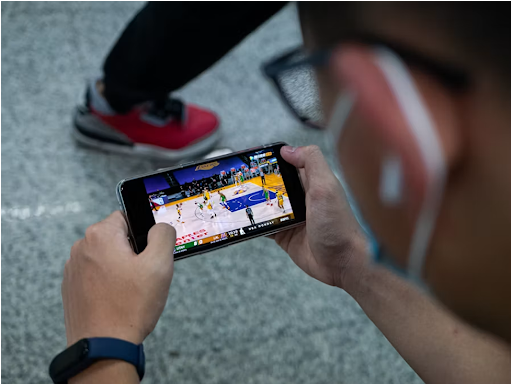
Sports betting has become a familiar part of modern gaming culture, evolving alongside advances in technology, changing regulations, and new forms of digital entertainment. What was once largely associated with physical sportsbooks, traditional bookmakers, or informal wagers is now part of a broader ecosystem where fans engage with sports through mobile devices, live data, and interactive experiences.
This transformation has been driven by more than convenience alone. Mobile technology, real-time information, social media, and responsible gaming initiatives have all helped shape how sports fans interact with betting today. Understanding these changes explains why sports betting has become increasingly integrated into the modern gaming landscape.
The Expansion of Legal Sports Betting Changed the Landscape
One of the biggest developments in recent years has been the broader legalization of sports betting across many jurisdictions. As regulations evolved, licensed operators gained opportunities to offer regulated services to a wider audience, making sports betting more accessible than it had been previously.
Legal expansion also encouraged greater investment in technology, security, and customer experience. Operators began developing more sophisticated platforms that emphasized transparency, responsible gaming, and reliable payment systems, helping build trust among many new users entering the market.
Greater regulation also benefited consumers by establishing clearer standards for licensed operators. Many jurisdictions introduced measures designed to promote fairness, protect personal information, and encourage responsible participation, creating a more structured environment for sports fans.
Rather than existing as a niche activity, sports betting gradually became part of the wider digital entertainment industry. As more people became familiar with regulated platforms, it naturally joined other forms of online gaming that users already enjoyed.
Mobile Technology Made Participation Easier
Smartphones fundamentally changed how people interact with digital entertainment. Instead of needing to visit physical locations or use desktop computers, users can now access gaming platforms almost anywhere with an internet connection.
That convenience has significantly influenced the growth of sports betting. Modern mobile platforms allow users to browse markets, follow live events, manage their accounts, and access important information through streamlined interfaces designed for everyday use.
Mobile technology has also made live engagement far more practical. During games, users can receive instant notifications, monitor changing odds, and stay informed without constantly switching between multiple devices or websites. Faster networks and improved app performance have further enhanced the overall experience.
As mobile technology continues to evolve, users increasingly expect smooth navigation, quick loading times, and reliable performance across every aspect of their digital entertainment. Those expectations have helped drive continuous innovation throughout the sports betting industry.
Data Has Become Part of the Entertainment Experience
Modern sports fans have access to more information than ever before. Live statistics, player tracking, advanced analytics, and historical performance data now accompany nearly every major sporting event, giving fans deeper insights into the games they follow.
This information has changed how many people experience sports. Rather than focusing only on final scores, fans increasingly explore tactical trends, player matchups, team form, and other performance indicators that provide additional context before and during games.
Many experienced fans also rely on sports stats and analysis to compare team performance, evaluate recent trends, and better understand upcoming matchups across different leagues. Easy access to reliable information can support more informed decision-making while making the overall experience more engaging.
Technology has also made complex statistics easier to understand. Interactive graphics, visual dashboards, and live updates present detailed information in a format that appeals to both experienced followers and newcomers alike, making sports data an increasingly valuable part of modern entertainment.
Media and Social Platforms Increased Visibility
Digital media has significantly expanded conversations around sports betting. Television broadcasts, podcasts, YouTube channels, and social media platforms regularly discuss upcoming games, player performances, and storylines that generate interest throughout the sporting calendar.
Social platforms have also created communities where fans share opinions, celebrate victories, debate predictions, and react instantly to major moments. These conversations often continue long after games have ended, extending fan engagement well beyond the final whistle.
Content creators have contributed to this growth by producing educational videos, matchup previews, and strategy discussions that help explain different aspects of sports betting in an accessible way. This type of content has made the subject more approachable for people who are curious but unfamiliar with how it works.
Together, traditional media and digital platforms have helped integrate sports betting into broader sports conversations. Rather than existing separately from mainstream coverage, it has become one of many ways fans choose to engage with the teams and competitions they enjoy following.
Responsible Gaming Supports Long-Term Growth
As sports betting has become more widely available, responsible gaming has become an increasingly important part of the industry’s development. Licensed operators now provide tools designed to help users manage both their time and spending while maintaining a balanced approach to betting.
Many licensed platforms offer features such as deposit limits, spending reminders, account cooling-off periods, and self-exclusion options. These resources encourage users to make informed decisions and support healthier gaming habits over the long term.
Education also plays an important role. Understanding how odds work, recognizing that outcomes are never guaranteed, and viewing betting primarily as a form of entertainment all contribute to a more responsible experience for participants.
The continued growth of sports betting depends not only on technological innovation but also on maintaining trust. By combining modern digital experiences with responsible gaming practices, the industry can continue evolving while promoting enjoyable and sustainable participation.
Why Sports Betting Continues to Evolve
Sports betting has become part of modern gaming culture through a combination of legal expansion, mobile technology, data-driven experiences, and growing media visibility. Together, these developments have transformed how fans engage with sports, making betting one of several interactive experiences available alongside streaming, fantasy sports, and live statistics.
As technology continues to advance, sports betting will likely become even more integrated into the broader digital entertainment landscape. Platforms that prioritize innovation, user experience, and responsible gaming will be well-positioned to meet the changing expectations of sports fans for years to come.