







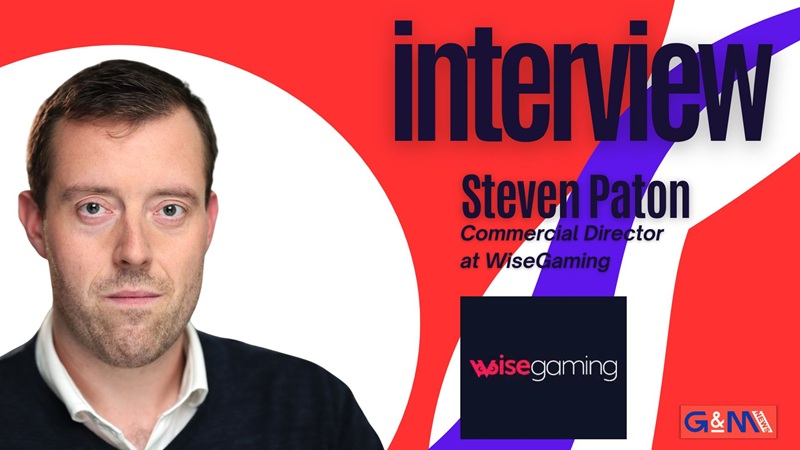
By Tatiana Martins, journalist at G&M News.
The 2026 FIFA World Cup has been one of the biggest betting events of the year. How did WiseGaming prepare its technology and infrastructure to help operators manage higher traffic, ensure platform stability, and deliver a seamless player experience throughout the tournament?
Preparing for an event of this magnitude is all about stress-testing under real-world conditions long before the opening whistle blows. Because we operate our own successful global B2C brands alongside our B2B services, we were in the unique position of stress-testing our architecture under live, high-octane traffic spikes well ahead of the tournament. Technologically, our core platform is hosted on premier global cloud infrastructure engineered for elastic auto-scaling. During the World Cup, as surges occurred around key matches, our system automatically scaled server capacity to handle massive influxes of concurrent users without a hiccup. Combined with high-velocity data processing for instant in-play bet acceptance and decoupled front-end architecture, we ensured that for our partners, the player experience remained completely fluid and fast, allowing them to focus entirely on acquisition and engagement rather than platform stability.
Major sporting events often test the resilience of gaming platforms. What were the key lessons the company learned during the World Cup, and how will those insights influence your products and services going forward?
The ultimate takeaway is that platform stability must be completely invisible to the end user. If a bet slip freezes or an odds feed lags for even a couple of seconds during a critical penalty shoot-out, player trust evaporates immediately. Reliability is the single most effective retention tool in iGaming. Another crucial lesson was the necessity of ‘live modular control.’ During peak events, commercial teams need to adjust risk parameters, push bespoke promotional feeds, or deploy localized payment routes without touching or risking the core codebase. Seeing how our partners operated during the tournament reinforced our commitment to maintaining a closed-loop feedback system. We take the live operational insights gathered during these high-volume events and feed them directly back into our product development cycle, ensuring our core engine continuously evolves alongside real-world market demands.
Looking at 2026 so far, what have been the biggest trends shaping the iGaming industry? Have any developments surprised you, particularly in terms of player behavior, operator priorities, or technological innovation?
The most defining trend of 2026 has been the dominance of dynamic, in-play micro-markets and stats-based betting like prop bets, corners, and player-specific performance combinations built through custom Bet Builders. Players are no longer just placing pre-match wagers; they expect interactive, second-screen experiences that evolve in real time alongside the action on the pitch. What stood out most during the World Cup was the sustained engagement across the entire six weeks, driven by a massive influx of casual and first-time bettors. On the operator side, the biggest shift has been a demand for absolute speed-to-market and operational agility. In rapidly maturing markets like Brazil and across wider Latin America, operators are refusing to accept 6 to 12-month development rollouts. They want modular, API-first platforms that can go live in 4 to 6 weeks while giving them the flexibility to tailor localized payment options and content on the fly.
Artificial intelligence, personalization, and automation are becoming ever more important across iGaming. How is WiseGaming incorporating these technologies to help operators improve efficiency, engagement, and long-term growth?
We view AI and automation not as gimmicks, but as essential tools to reduce cognitive load for the player and operational friction for the operator. The industry is moving past static user interfaces toward true predictive personalization. We are integrating intelligent machine learning algorithms that analyze player behavior to dynamically serve tailored sports recommendations, personalized casino lobbies, and customized bet suggestions in real time. On the backend, we leverage automation across reporting and localized risk management workflows, freeing up operator teams to focus on strategy and marketing. By combining live data from our own B2C brands with collaborative feedback from our partner network, we build personalized player journeys that directly drive higher customer lifetime value.
With technology becoming accessible across the industry, how does WiseGaming ensure it delivers value beyond the platform itself, and what do clients expect from a technology partner today that they didn’t a few years ago?
A few years ago, operators were looking for software vendors who would simply deliver a platform and walk away. Today, clients demand an active strategic partner who operates as a direct extension of their team. At WiseGaming, our primary differentiator is our authentic operator mindset. Because we run our own successful B2C brands across Europe and LatAm, our team speaks the operator’s language and understands the real-world operational challenges they face daily, from localized cultural nuances to changing payment habits. We don’t offer theoretical advice. We share proven, real-world playbooks. Value today is about continuous dialogue, shared operational know-how, and providing a platform that adapts as fast as the market moves.