







Anyone who operates across LatAm knows that each market works in its own way. Operators understand these differences better than any provider. They know where players leave the sign-up flow, which payment methods build trust, which sports drive deposits, and which offers bring players back. The problem starts when that market knowledge has to fit a fixed sportsbook frontend. Every idea then depends on the provider’s template, tools, and roadmap. The operator may own the brand, but the provider still shapes much of the player experience.
THE COST OF A FIXED SPORTSBOOK
A standard sportsbook can offer a fast route to market by providing the operator with a working interface, betting content, and the systems needed to launch. However, that model becomes more limiting as the business grows.
The operator may want to change the bet slip, shorten onboarding, move live markets higher on the page, or build a payment-led promotion. Each request depends on what the provider supports and when its product team plans to deliver it.
Extra steps in the deposit flow can reduce conversion, and a poor content structure can obscure the markets players care about. Generic promotions can raise acquisition costs without improving player value.
Besides, when several operators use the same basic frontend, their products start to look and feel alike. They then compete through bigger bonuses and higher media spend rather than through better customer experience.
A standard product may help a brand enter a market, but it may also make it harder for that brand to lead the market.
WHY FRONTEND OWNERSHIP IS IMPORTANT IN LATAM
Frontend ownership gives operators the power to act on local insight. They can test new journeys, change how content appears, and react as player habits shift. They set the product roadmap instead of waiting for a provider to make changes. A shared backend can support scale across the region. The player experience still needs to be tailored to each country.
SPORTSBOOK API DESIGNED FOR LATAM GROWTH
Building the full sportsbook in-house gives control to an operator and creates a large cost base. The operator must build or source trading, sports data, risk systems, fraud controls, bet settlement, infrastructure, and round-the-clock support. It must also hire specialist teams and keep investing as volumes grow.
A managed sportsbook API offers another path. The operator owns the frontend, product roadmap, player journeys, bet slip, market display, promotions, and conversion flows. The provider runs the sportsbook operation behind them.
GREAT_SPORTSBOOK API covers sports data, odds, trading, risk management, anti-fraud, bet processing, and settlement. It’s a managed sportsbook backend, rather than a basic odds feed.
The sportsbook supports up to 30,000 bets and 54,000 wallet transactions per second. Its operation is backed by more than 200 in-house trading specialists and over 20 years of sportsbook experience.
Operators can scale without creating a full trading team. They can manage markets, odds, limits, margins, and content around their own commercial goals. Real-time bet scoring and risk tools help control exposure as volumes rise.
The API can also connect with the operator’s existing CMS, CRM, payments, promotion tools, and analytics systems. This lets the business keep the parts of its stack that already work.
LOCAL KNOWLEDGE PUT INTO PRACTICE
BongoBongo launched GREAT_SPORTSBOOK through an API. The African operator is active in Uganda, Zambia, Tanzania, and Kenya. It has local teams, a strong casino business, and a clear view of how sportsbook should support their growth.
It’s evident that BongoBongo understands its players and markets and brings the local strategy, brand, and customer insight. Meanwhile, GR8_TECH provides trading, data, risk, and growth. Each side focuses on what it does best.
LatAm operators face different conditions, but the same principle applies. In Argentina, that may mean wallet-led onboarding. In Chile, it may mean a faster live-betting flow. In Colombia, it may mean stronger loyalty tools. In Brazil, it may mean quick mobile interaction. In Mexico, it may mean different sports and bonus structures. Local product choices can directly affect revenue.
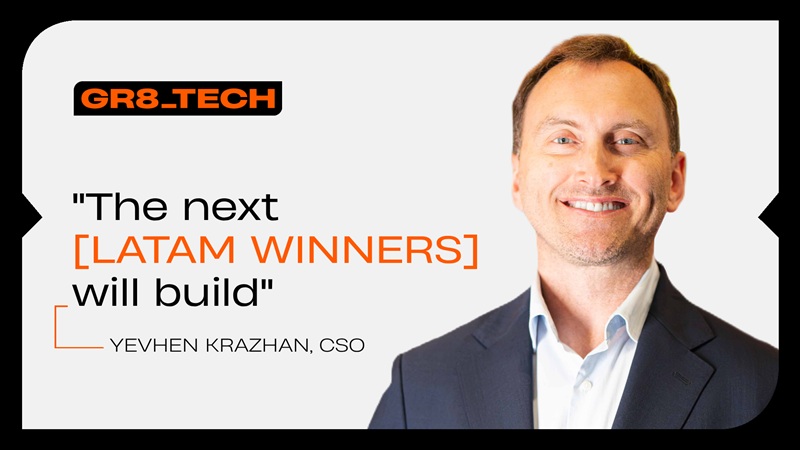
THE NEXT LATAM WINNERS WILL BUILD
In this sense, it’s easy to understand that LatAm growth will come from better products. The strongest operators will use shared infrastructure for scale and keep control of the areas that shape conversion, retention, and brand value. They will always treat countries in the same region as distinct markets.
Operators already know where their product creates friction. They know which ideas are stuck in a provider’s backlog, and which parts of the experience look like every other sportsbook.
GREAT_SPORTSBOOK API gives them a way to act on that knowledge without rebuilding the sportsbook from scratch. The next LatAm winners will use proven infrastructure, but the experience players see will be their own.