








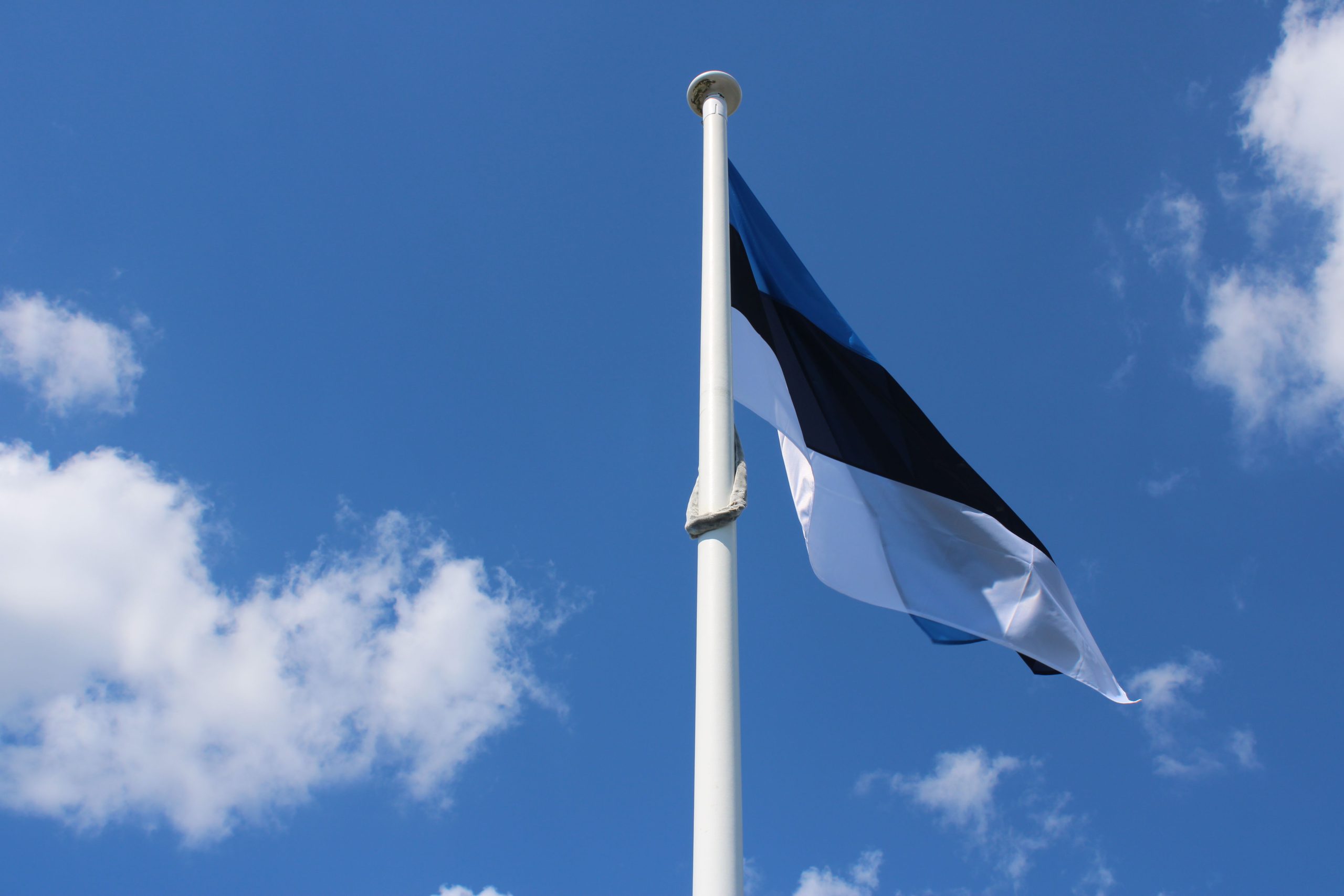
In a highly competitive online gambling industry where businesses relentlessly seek ways to stand out, even by 1%, choosing the right jurisdiction for incorporation and licensing became no exception as a meaningful factor in each project’s long-term growth. For years, Malta was the undisputed heavyweight of gaming licensing, a global benchmark building a formidable reputation on regulatory credibility, international recognition, and an ecosystem supporting hundreds of operators. Yet, after too many years in Malta’s shadow, Estonia is now emerging as an increasingly serious alternative with growing appeal among operators.
Long associated more as a pioneer of digital government than a gambling hub, this Baltic nation is now becoming best known as a modern and increasingly sought-after gambling licensing jurisdiction. The era of rising compliance costs across the continent, heavier taxation in several major markets, and ever-increasing regulatory uncertainty is challenging long-held assumptions and putting Estonia higher than ever before in the shortlists of operators.
As a result, Estonia is gaining new momentum as one of Europe’s most overlooked yet increasingly competitive destinations for gaming businesses. Yet what makes this shift especially remarkable is that Estonia is not trying to become the next Malta, copy-pasting its well-established formula. Instead, Estonia is building its appeal around the very qualities international companies continue seeking yet struggle to find elsewhere, balancing digital-first regulation and strong credibility with attractive taxation and a genuinely business-friendly environment.
As operators become more selective about where to establish, Malta is no longer the only obvious choice it once was, with Estonia steadily emerging from its shadow as a serious licensing hub worth considering.
Regulatory Philosophy of Estonia: A Digital-First Jurisdiction
Estonia’s growing appeal in the gaming industry is neither the product of aggressive marketing or constant event exposure, nor a consequence of Malta’s long-standing dominance. Rather, it reflects a broader philosophy that has defined the country’s approach for over two decades, one that treats clear rules, streamlined processes, and business-friendliness as fundamental to effective regulation. As businesses navigate their options for incorporation and licensing, Estonia’s underlying philosophy helps position the country as a particularly attractive choice.
Unlike many traditional European regulators, who historically centered largely on tax collection and player protection, Estonia has added a third pillar, ensuring the framework reflects the practical realities of operating a modern gambling business. Rather than adding further layers of bureaucracy, regulators have focused on digitalizing processes and introducing clear, systemized compliance requirements, creating an environment firms are genuinely willing to remain part of. In practice, the country found a formula to effectively merge high regulatory standards with an environment allowing licensed businesses to operate without being slowed down by unnecessary bureaucracy or complexity.
This approach becomes even more notable amid the broader regulatory changes unfolding across Europe’s gambling market. While many jurisdictions across Europe, including the UK and Ireland, are tightening gambling regulation through higher taxes, new levies, and tighter requirements, Estonia is breaking with the prevailing trend with a more operator-friendly path. Rather than increasing the fiscal burden on operators, the country approved a gradual reduction in the online gambling tax rate from 6% to 4%, arguably as part of a wider strategy to keep attracting sustainable long-term business activity.
Even before the latest reduction, Estonia was already a popular choice among gambling operators, and the change only cemented its reputation as a cost-effective and business-friendly licensing jurisdiction. Importantly, Estonia’s gambling framework is not designed to turn the country into a mass-market gambling licensing hub or directly rival the well-established jurisdictions. The country stands for a next-generation, digitally native gambling hub, where licensed activity no longer equals navigating multiple layers of bureaucracy that still define most established jurisdictions, creating a more practical and scalable environment for international businesses.
Having long remained overshadowed by Europe’s more established hubs, Estonia is finally starting to receive the recognition it deserves – and if its combination of credible licensing and a digital-first business ecosystem continues to best match operators’ needs, it could soon become one of the region’s top-tier online gambling licensing destinations.
What Makes Estonia an Attractive Jurisdiction for Online Gambling Operators?
Estonia has built an all-inclusive gambling framework around one of the industry’s most sought-after combinations, pairing regulatory credibility with comparatively limited administrative friction. At the heart of its appeal is a relatively transparent two-stage licensing process, backed by a digital administrative system designed to minimize delays and unnecessary complexity in communication with the authorities. Depending on the type of gambling activity, licenses are granted for either 5 or 20 years, offering operators significantly long-term regulatory visibility and certainty rarely available under traditional annual licensing models.
Estonia’s cost-efficient business environment is an equally important factor shaping its growing attractiveness to international businesses. As the cost of operating a gambling business continues to rise across the region, jurisdictions offering a stable overall cost structure are emerging as increasingly compelling alternatives in the competition between European jurisdictions. In this regard, Estonia understands that higher costs are unlikely to encourage more businesses to choose the country as their base. Rather, the country has found a compelling middle ground, a sweet spot combining a comparatively lean business environment with a credible regulatory framework, although somewhat behind Malta’s, without forcing operators to pursue the market’s most expensive licensing hubs.
The country’s rise is being equally powered by its long-established digital DNA, where Estonia spent years building a reputation as one of Europe’s digital frontrunners, creating an environment almost tailor-made for industries dominated by online operations. Gambling has become a fundamentally digital business, and jurisdictions recognizing this reality are rapidly gaining an edge over those still relying on outdated frameworks.
Finally, Estonia gaming license holders are generally well positioned within the European gambling ecosystem, having higher chances to build trust with players and establish relationships with reputable affiliates, payment, banking, software, and technology providers across Europe. While the license does not automatically grant access to every European market, the credibility of an EU-regulated base can open doors to a broader range of international partnerships that may otherwise remain out of reach.
Together, these factors are turning Estonia into an increasingly prominent destination for “established operators or startups with a long-term vision seeking EU access, credibility, and access to top-tier payment and banking solutions,” as per Inteliumlaw, a gambling law firm advising the sector’s businesses on licensing in Estonia. In reality, the country has long been a strong choice, even if it has historically attracted less international attention than some better-known jurisdictions.
Estonia Gaming License Outgrows Being Underrated
Estonia was traditionally seen as a second-tier option for gambling operators, often evaluated only after the industry’s traditional favorites are already explored. For years, Malta and the Isle of Man occupied the top tier of licensing destinations, while Estonia was largely a niche alternative with comparatively little recognition as a primary hub. This long-standing perception is beginning to fade as Estonia earns greater recognition as a commercially attractive jurisdiction for mature operators and ambitious startups backed by a “robust and respected regulatory framework,” among other things.
Yet Estonia’s rising popularity does not make its licensing process any less demanding. While it may be streamlined to the extent possible, entering the market with the Estonia gaming license still means successfully navigating two separate regulatory approvals. This rising popularity of Estonia as a gambling jurisdiction has created stronger demand for law firms capable of managing all legal complexities of market entry.
Among these firms, Inteliumlaw advises gaming businesses on obtaining an Estonian gambling license, establishing the appropriate corporate structure, maintaining compliance, and expanding into additional jurisdictions. Rather than offering one-size-fits-all legal solutions, the firm is known for developing structures around each operator’s individual business model, designed to remain effective as their ambitions grow.
In other words, Estonia is outgrowing its reputation as a secondary licensing jurisdiction and gaining greater prominence among Europe’s established business destinations. Subsequently, for businesses looking to scale within a flexible and digitally oriented environment, Estonia is becoming a destination worthy of serious consideration. While Estonia may have taken longer than Malta to attract industry attention, the country has now reached a point where calling it anything less than competitive no longer feels accurate.