







By Tatiana Martins, journalist at G&M News.
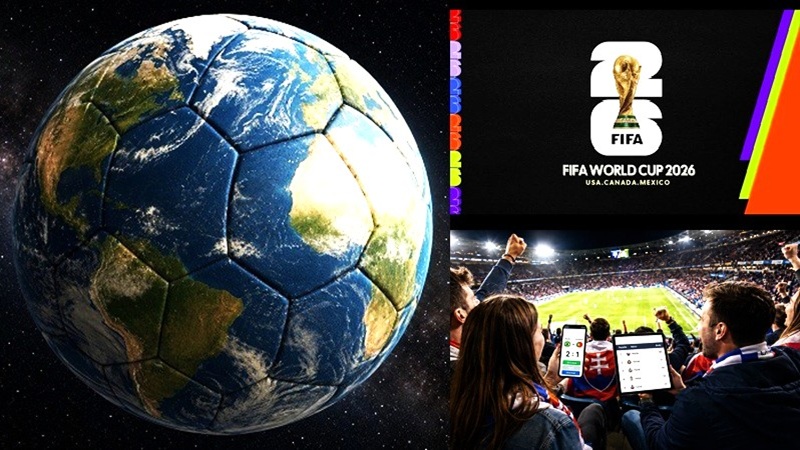
The 2026 World Cup is now underway as the first with 48 teams, expanding from 32 and increasing the number of matches by 40 percent compared to 2022. Industry analysts project that regulated sportsbooks will handle between USD 50 billion and USD 60 billion globally, with U.S. sportsbooks alone expected to process up to USD 4.4 billion during the tournament.
The event is also the first World Cup with Brazil operating a fully regulated betting market, adding a major new source of volume and bringing new players into the market through licensed platforms.
These changes reshaped how operators planned campaigns, built technology, and managed risk across regions.
NORTH AMERICA: THREE HOST COUNTRIES, ONE MASSIVE BETTING OPPORTUNITY
The United States, Mexico, and Canada form the first tri-nation World Cup host setup, creating a betting market that spans multiple jurisdictions and payment cultures. In the U.S., sports betting is legal in 38 states plus Washington DC as of April 2026, and every major operator (DraftKings, FanDuel, BetMGM, Caesars, Fanatics, bet365, and Hard Rock Bet) is offering full World Cup markets including outright winner, golden boot, group winners, and live in-play wagering.
Eilers & Krejcik Gaming projected that DraftKings and FanDuel will dominate U.S. World Cup betting, with approximately USD 1.02 billion and USD 945 million in handle respectively.
Mexico is showing strong appetite: 68 percent of Mexicans planned to bet during the tournament, including 26 percent who would bet online for the first time. In Canada, 46 percent of Ontario residents expected to bet, with 9 percent as new players.
Operators have adapted payment infrastructure to local preferences, emphasizing debit cards, bank transfers and digital wallets while optimizing for fast deposits and withdrawals, which are top criteria for choosing a sportsbook.
EUROPE: STRICTER ADVERTISING RULES, MORE TARGETED CAMPAIGNS
European operators have prepared for high World Cup engagement under tighter advertising and bonus regulations. In the UK, the whistle-to-whistle ban prevents betting ads from five minutes before a live event until five minutes after it ends before 9 pm, and famous figures with strong appeal to under-18s, such as Cristiano Ronaldo, are banned from gambling adverts.
France’s gambling regulator ANJ warned operators to keep marketing pressure under control, noting that total planned promotional spend for 2026 was €785 million, up 25 percent versus 2025, split between €319 million in marketing and €466 million in bonuses and incentives.
The ANJ flagged FIFA’s mandatory hydration breaks as a potential source of extra live advertising inventory, raising the risk that betting promotions would be seen more often and by more viewers. In response, operators shifted toward more segmented offers, personalized engagement, and contextual campaigns tied to user behavior rather than mass promotions.
UK and European markets remain mature betting environments: 60 percent of UK fans plan to bet during the World Cup, and 64 percent of Italian fans intend to bet, creating strong demand despite stricter rules.
LATIN AMERICA: BRAZIL’S REGULATED DEBUT AND REGIONAL GROWTH
Latin America is entering the 2026 World Cup with a mix of newly regulated and emerging markets. Brazil is the most significant development, with the first fully regulated betting cycle in a World Cup. Industry experts described the tournament as the major stress test for Brazil’s regulated system, with operators investing in infrastructure, data technology and stable, secure experiences to consolidate consumer trust.
Brazil is projected to contribute around 10 percent of global World Cup betting volume, and the market expects more than R$250 billion () in sports betting activity during the tournament. A total of 66 percent of Brazilians plan to bet during the World Cup, with strong emphasis on instant payments such as Pix, which has become a central element of payment strategy for licensed operators in the country.
Peru showed even higher interest, with 85 percent of consumers planning to bet, making it one of the most active markets in the region.
Operators have localized content, interfaces and payment methods for Brazilian and Latin American audiences, adapting promotions and building partnerships with clubs, players and digital influencers to strengthen brand presence.
TECHNOLOGY AND PRODUCT: MORE IN-PLAY, MORE PERSONALIZATION
The 2026 World Cup is driving product innovation across regions. Experts note a shift from betting only on match results to focusing on individual player performance, with growth in bet builders and special markets that combine multiple predictions in one ticket.
Popular options include number of goals, assists, passes, tackles, corners and even the foot used to score. Nearly 64 percent of bettors plan to bet on the day of the match or during the game, indicating strong growth in live in-play betting.
Operators have invested in real-time data, live triggers and dynamic campaigns that adjust instantly during matches and at elimination stages. They are treating the World Cup as a connected lifecycle rather than separate marketing phases, unifying acquisition and CRM to retain customers beyond the final whistle.
Payment infrastructure has also been critical, with emphasis on real-time transactions, frictionless onboarding, intelligent fraud prevention, and resilient performance during peak moments.
INTEGRITY AND RISK: PROTECTING THE MARKET AT SCALE
With demand expected to reach unprecedented levels, operators and regulators are strengthening integrity and risk management systems. The International Betting Integrity Association uses intelligence sharing between operators, sports bodies, regulators and law enforcement via its Global Monitoring & Alert Platform to identify suspicious betting across regulated markets.
Conferences focused on the 2026 World Cup emphasized risk management, profitability and growth strategies, giving companies an opportunity to anticipate risks, optimize operations, and protect margins during one of the most critical periods in the global sports calendar.
THE WORLD CUP AS A FULL CYCLE
Operators are no longer treating the World Cup as an isolated marketing event. It has become a full cycle that starts months before the tournament and continues after the final match. Companies used historical data to anticipate behavior, prepare campaigns and adjust strategies in advance, distributing efforts across qualification phases, pre-tournament, and specific competition stages.
The goal is to turn short-term excitement into long-term retention, building customer journeys that extend engagement well beyond the final whistle and measuring lift rather than vanity clicks. With 48 teams, more matches, a regulated Brazil market and stronger integrity systems, the 2026 FIFA World Cup is now unfolding as the most complex and most valuable betting edition in football history.