





See more of G&M News on Google
Add as a preferred source
Scammers have been pulling this kind of con for years, and the hype around a big release gives them better bait, because so many people are already refreshing search results for footage and early builds and a fake page barely has to try. This wave feels a bit different because someone really put in the work on the imitation, all the fonts and the loading bar, but it takes just a glance to spot once someone knows what a real demo looks like. A genuine demo of anything, from a small browser game to a game by pragmatic sweet bonanza free demo slot that loads with play credits, runs on the page itself and never asks for your password.
What the fake demo page actually asks for
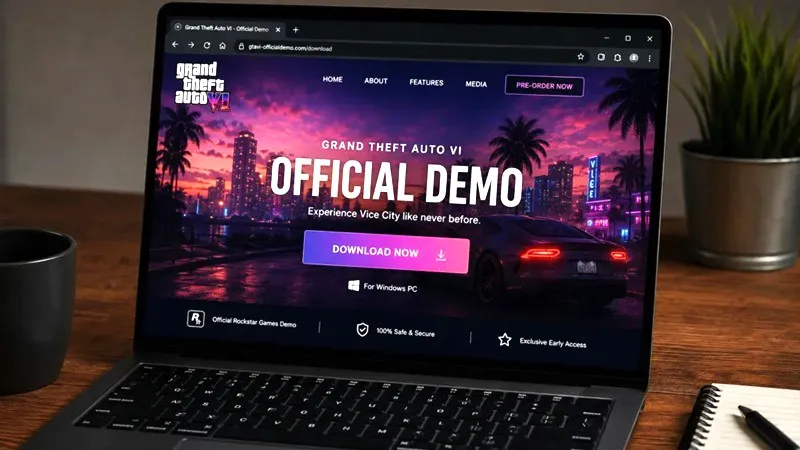
A trailer just autoplays, usually pulled from an official reveal and squished until it looks like someone recorded it off a screen, and under it sits a big play button with a progress bar that creeps to 97 percent and stops dead. Then a popup asks someone to confirm they’re human, and that’s where the hook sinks in, because it wants an email and a password, or if not a phone number for a code, and sometimes a card for a one-euro check.
Some pages want a €5 founder’s pass paid by card, others want a gift card code pasted into a chat, a few want a wallet connection and up pops a signature request, and some just take the login and stop, because a game account with a payment method attached is worth more than a card number on its own. All of it feels small enough to risk, which is kind of the design, and the smallness is also why people talk themselves into it and then just feel a bit silly about it later. There is a reason people check reviews new casino brands, newest casinos and payment terms before signing up anywhere, and it is that the marketing copy is written by the seller while the complaints are written by everyone else.
A real demo is pretty limited by comparison, and kind of no great shakes. It just loads in the browser and hands out play credits, but if someone reloads the page those credits reset, and nobody asks who they are or where they bank. A page like https://revolutcasino.de/ shows the same idea from the operator side, listing the deposit methods and the terms in plain text before anyone signs up, which is exactly the sort of thing a fake GTA page can’t do, because the payment route it wants is the part it has to hide.
Why the money step is always small
A €1 verification is small enough that losing it feels like a bit of an annoyance rather than a crime, and the same goes for a €4.99 founder’s pass or a €25 gift card, because the page really only needs a fraction of visitors to pay up. The routes are picked just as carefully, which is why cards turn up less often than crypto or gift cards, since those clear pretty fast and don’t have a chargeback department that can kind of pull the money back. Someone who pays €3 and then gets asked for another €40 to release the download is kind of stuck in a sunk-cost trick, and that second ask is usually bigger than the first because the page has already learned the card works.
The address bar is the cheapest check
Lookalike letters are pretty hard to catch, because a lowercase l and a capital I can look identical at a small size, and on phones the address often gets cut off before the part that matters, so it slips by. The padlock really doesn’t prove squat beyond encryption, because a phishing page can have one too, and a sponsored result at the top of a search is just a paid placement, not a recommendation.
When the demo turns out to be a download
Some pages just skip the login box and hand over a file instead, often named something like gta6_demo_setup.exe and usually just a few megabytes or a massive junk-filled ISO, so it feels like the real deal. A stolen session can kind of walk right past a password prompt without ever needing the password, so two-factor codes don’t always save the day, and cookies are a bigger deal than people expect. Attachments on chat platforms kind of follow the same pattern as those pages, and a password-protected zip is a favorite because it keeps the file from being scanned before it gets opened.
If a password or a card already went in
Changing the password is the first step but swapping that same one everywhere it was used is pretty much just as big a deal. A person should flip on two-factor with an app instead of texts where that’s offered, then peek at the recovery email and phone on the account, since an intruder swaps those first, and also check for forwarding rules that quietly copy mail somewhere else. For card details, a call to the bank is quicker than a form, and asking specifically about small test charges is a good move, because a €0.90 payment is often just a check before a bigger one.
Telling the folks in the contacts list is a bit awkward but still worth doing, because a hijacked account usually gets used to send the same fake demo link onward, and a message from a friend is the one people trust. Reporting the domain to the host and to whatever platform served the ad is pretty slow and unsatisfying, but it’s also the one thing that gets a page pulled before the next person clicks, and that leaves an open question about how fast the ad side of the chain will ever move.