





See more of G&M News on Google
Add as a preferred source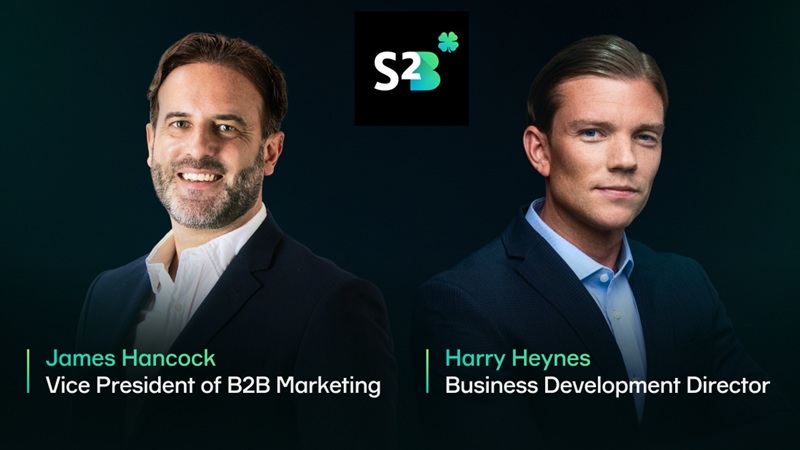
What do you both value the most about the internal work environment at the company and the interaction with the teams in your respective areas (Marketing and Business)?
James Hancock: I enjoy being able to speak directly with the colleagues responsible for our technology. It means we can ask questions, challenge ideas and better understand what we can offer operators. I also think it’s essential that everyone feels comfortable speaking up when they see room for improvement. That openness is particularly valuable in marketing, where we need to be confident that what we’re telling operators reflects what our products can deliver.
Harry Heynes: For me, it’s the cross-functional collaboration and our shared commitment to a single goal. Business Development isn’t isolated. It represents the combined strength of our product, tech, design, delivery, marketing, and commercial teams. That alignment matters at every touchpoint, whether we are shaping market messaging, running demos, or deploying solutions for operators. This internal cohesion allows us to build genuine trust, manage expectations accurately, and deliver on our commitments every time.
How does team planning work when it comes to selling Soft2Bet products in a given market? What information does the business development department convey to the marketing team to ensure that the advantages of your offer to operators are clearly drawn up?
Harry Heynes: We start by understanding the operator’s plans for a particular market. That means looking at its existing technology, what’s holding back growth and what it expects from a potential partner. Business development then shares those findings with marketing, particularly the questions operators are asking about costs, integration, launch times, and ongoing support. This helps the marketing team understand which aspects of our offering are most relevant to operators in that market.
James Hancock: That information gives us a much clearer idea of what to emphasize. An operator considering a platform migration or looking to launch a new brand in a chosen regulated market will want to understand how the process works and what its own team would need to handle. Another might be more interested in improving player retention through MEGA while keeping its existing platform. We work closely with our product and compliance colleagues to ensure our messaging accurately reflects what Soft2Bet can offer in each market.
On its website, the company highlights three key pillars of success: a reliable and scalable platform, innovative and compliant products, and proven strategic leadership. Why were these aspects chosen, and what other characteristics would you mention that differentiate your company from other providers?
James Hancock: Those pillars directly address what determines operator’s success: reliable infrastructure that can scale with their business, compliant products that protect long-term margins, and experienced leadership that understands the commercial and regulatory demands of different markets. Another key advantage is our diverse brand portfolio, which combines proven operational experience with a strong network of successful partner brands. That experience has given us a first-hand understanding of player behavior, retention, and the challenges operators face. Our focus has since shifted towards B2B, with those brands now operating independently while continuing to benefit from the same technology, features and services we provide to our operator partners to support their growth. Because we own 100% of our platform architecture, we can respond directly to our partners’ requirements without waiting on third-party roadmaps. We build, adapt and scale directly alongside our partners.
When you sit down to talk with operators, do you already have clear ideas about what they might need, or do you listen to them fully to understand where your products might fit into those needs?
Harry Heynes: I always do my homework before meeting an operator. I’ll look at the markets it serves, its existing products and where it might be looking to grow. That gives me some initial ideas, but I’m quite prepared to change them once we talk. I want to understand what’s already working for the business, where it’s struggling and what the operator hopes to achieve through a partnership. It’s also important to understand the resources available to make changes. An operator might have a clear idea of what it wants, but discussing the reasons behind that request can help us identify the most suitable solution. From there, we can explore where Soft2Bet fits, what implementation would involve, and whether the costs and responsibilities make commercial sense for both sides.
How do you view the Latin American gaming market today, and which business strategies might be most appropriate, given the differences between each territory?
Harry Heynes: I see opportunities across Latin America, but operators can’t approach every territory in the same way. Colombia regulates online gambling nationally through Coljuegos, whereas Argentina leaves authorization to its provinces and the City of Buenos Aires. That difference affects where an operator can launch and which approvals it needs. We’d assess those requirements alongside operating costs, competition and the value of local partnerships before deciding where to focus.
James Hancock: From a marketing perspective, Latin America is an extraordinarily large place, with a wide variance of personal preferences from country to country, and we need to understand what players in each market expect. Payment methods, the sports they follow, language and customer support all influence how a product is received. That information helps us identify which Soft2Bet capabilities are most relevant and explain their value to operators in terms their local audience will recognize.
Where do you see the industry heading, and how can Soft2Bet’s technology anticipate those trends, staying one step ahead, and making it easier to address future challenges?
James Hancock: We are entering an era of strict capital discipline in industry, which is moving past the phase of superficial acquisition metrics like raw registrations or first-day volume; the real focus is shifting toward retention unit economics specifically, understanding the precise cost of retaining a customer versus their actual lifetime value. Operators will demand transparency, looking for direct causal links between their engagement spend and sustainable revenue. That is where Soft2Bet’s technology stays ahead. Through our MEGA gamification ecosystem, we don’t just add surface-level mechanics. We build behavioral progression and personalized missions tailored to specific player segments and lifecycle stages. Crucially, the platform closes the loop with granular reporting: operators can see not only where players drop off, but which personalized triggers and milestone rewards drive genuine, recurring engagement. It shifts retention from an intuition-driven marketing expense into an agile, measurable growth engine.
Harry Heynes: Different markets are creating different rules, so operators need tech that can change on short notice. When you depend on external vendors, waiting months for compliance fixes is a common issue. Because Soft2Bet owns its platform completely, we eliminate that bottleneck. We can quickly tweak features, update reporting, and align with local laws. This makes launch in new regions fast and predictable. We team up with our partners from day one to review their numbers and provide direct technical support as they scale. Those are significant advantages that not just any company can offer.