









A regulated market, not a grey one
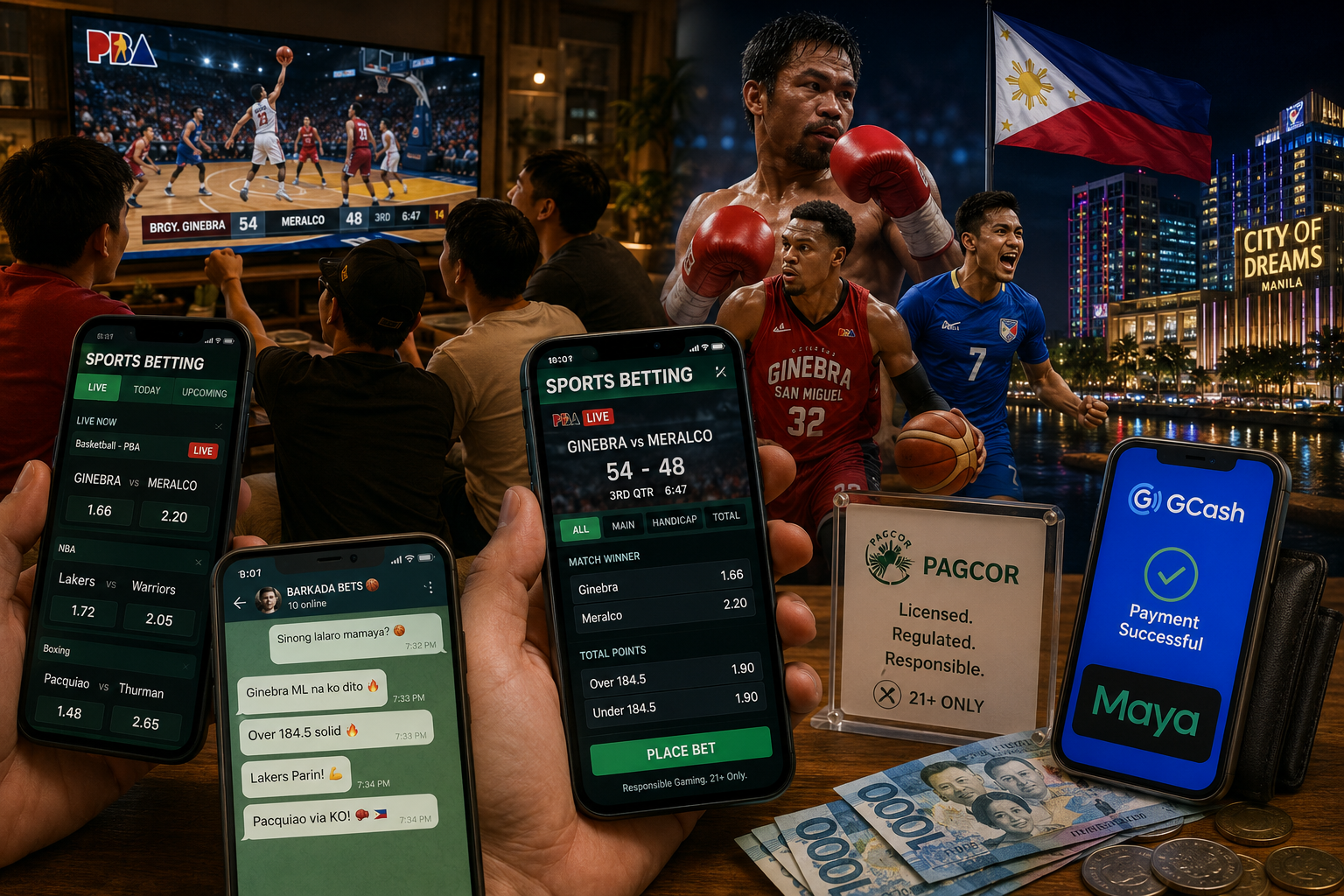
The Philippine Amusement and Gaming Corporation, or PAGCOR, both operates and regulates gaming in the country, a dual role it has been unwinding as it moves to privatise its own casinos. Its regulatory framework sets the licensing conditions, publishes a Responsible Gaming Code of Practice, maintains a player exclusion system, and restricts gaming to those aged 21 and above. For operators used to jurisdictions where online play sits in a legal grey zone, that clarity matters. The rules of entry are written down, the minimum age is not negotiable, and the responsible-gaming obligations are documented rather than assumed. A market with a visible rulebook is one a serious business can actually plan around. The dual role has drawn its share of criticism, and the planned separation of the commercial and regulatory functions is meant to answer it, but even in its current form the framework gives players a reference point that many neighbouring markets lack.
Sport is the on-ramp
Betting culture here grew out of fandom rather than the other way around. Basketball is the national obsession, and the calendar runs on the PBA and the NBA far more than on any casino promotion. Boxing carries its own weight, a legacy of the Pacquiao era that still fills bars whenever a Filipino fighter is on the card, and football’s audience has widened steadily with the European leagues. Sports betting rides on attention that already exists. People are watching, arguing about form, and comparing opinions in the group chat, and a wager becomes a small extension of a conversation they were going to have regardless. That is a healthier foundation than markets where betting has to manufacture interest from scratch, because the engagement is real before any money changes hands.
How Filipino bettors decide where to play
Choice has become the defining feature of the market. A decade ago the bottleneck was access; today the constraint is trust. Filipino bettors move comfortably between platforms and they research before they commit, so consumer-facing comparison media has grown alongside the operators themselves. Increasingly that research happens off-platform, where bettors weigh independent rankings of the country’s licensed sportsbooks before they deposit, and treat a visible licence and fast local payouts as baseline expectations rather than selling points. GCash and Maya have made funding an account nearly frictionless, which means the friction that remains is reputational. Widespread English literacy adds another wrinkle, because Filipino bettors read international coverage and hold local operators to standards set well beyond the domestic market. Operators that cannot answer basic questions about licensing and withdrawal times tend to lose players quietly, without ever seeing the churn arrive, and word travels fast through the same group chats that carry the match commentary.
Casino culture, from Entertainment City to the phone
The land-based story is still a real one. Entertainment City on Manila Bay remains one of Asia’s more ambitious integrated-resort clusters, and its tourist-facing floor is not going anywhere. The growth in everyday participation, though, is mobile. The same low-friction, mobile-first instinct that defines local sports betting shapes how people approach casino content, and provider data from other emerging markets points in the same direction. 1spin4win’s read on which slot formats perform across Latin America favours simple, mobile-native titles that load fast, and that preference maps neatly onto what Filipino players reach for during a commute or an ad break. Culture and product are converging on the same answer: accessible content that fits into the gaps in a day.
What operators should watch
The near-term questions are regulatory and structural rather than promotional. PAGCOR’s privatisation timeline, the treatment of offshore-facing licences, and the durability of responsible-gaming enforcement will decide which operators can plan with confidence. The player exclusion register and the 21-and-over rule are not box-ticking exercises. They are becoming part of how a credible brand signals that it intends to stay, and Filipino players increasingly read those signals before they decide where to keep a balance. Retention, in a market this connected, is built on being trusted twice: once by the regulator and once by the group chat. The market that is taking shape here rewards patience over a quick promotional spike. The Philippines is maturing, and the businesses that treat it as a long game are the ones its culture is quietly selecting for.