









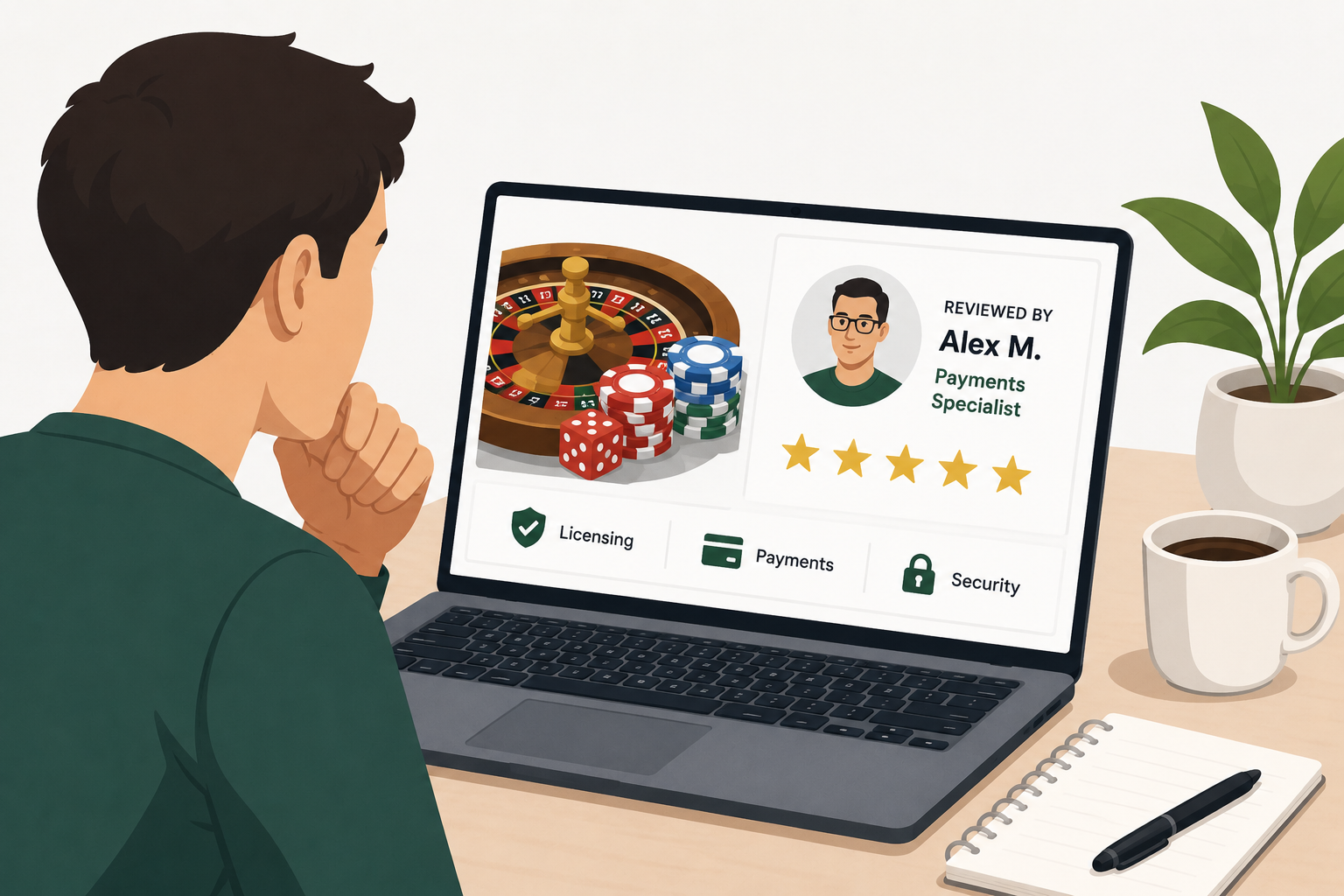
A player looking for an online casino in 2026 can find a hundred verdicts in the time it takes to make a coffee. Search “best online casino” and the results arrive ranked and scored, each one sure of itself. What almost none of them say is who decided, and why that person was qualified to. For a long time that did not seem to matter much. It is starting to.
The reason is volume. Casino guidance has multiplied across affiliate sites, social feeds and AI-generated round-ups, and most of it shares one feature: no human is visibly attached to the recommendation. A score appears, an “our experts say” line follows, and the reader is asked to trust a verdict that no named person stands behind.
The influencer problem
Part of the shift is the rise of influencer-led promotion. Streamers and social accounts now drive a large share of how younger players discover casinos, often without making the commercial relationship clear. Regulators have noticed. The US Federal Trade Commission’s endorsement guides require anyone promoting a product for payment to disclose it plainly, and gambling promotion sits squarely in scope. A tip from someone paid to give it is not the same as an assessment from someone accountable for getting it right.
The pattern is most visible around big sporting events and new game launches, when promotion spikes and the line between a genuine recommendation and a paid placement blurs fastest.
That distinction is easy to lose when the messenger is anonymous. If a “top 10” list turns out to be wrong, no one is on the hook. If a named reviewer with a stated area of expertise is wrong, their name is attached to it.
What an accountable casino review looks like
The alternative is not complicated, but it is more work. It means showing the reader who assessed the casino, and what makes them qualified to judge it. A specialist in payments reads withdrawal terms differently from someone who mainly plays slots. A reviewer with a legal or compliance background notices licensing conditions a generalist would skim past. Splitting a review across people who each know one part of the product well tends to produce a more honest result than a single writer rating everything at once.
A handful of comparison sites now put names to their verdicts. On www.casino.net, for instance, each review carries the reviewer’s name, photo and field, whether that is slots, payments or licensing, rather than a faceless house rating. The point is not the brand. It is that a reader can see the person behind the judgement and weigh it accordingly.
This is also the direction search engines have moved. Google’s guidance on creating helpful content now asks publishers to make clear who wrote a piece and what expertise they bring, precisely because anonymous, mass-produced content tends to be less reliable. The test a search engine applies to ranking a page is close to the one a player should apply to trusting a recommendation.
For a reader this becomes a quick habit. Before trusting a verdict, look for a name and a field of expertise, then see whether that person turns up elsewhere standing behind their work. If a site cannot say who reviewed a casino, that silence is itself useful information.
Why it matters more for newer players
The stakes are highest for people choosing without a track record to lean on. A player in a market that only regulated online gambling recently has no years of word of mouth to fall back on, and is more likely to take an online verdict at face value. For them, the difference between a named, accountable assessment and an anonymous list is the difference between real guidance and a guess.
None of this makes a named reviewer automatically right. Experts disagree, and a signature is not a guarantee of a good call. But it changes the relationship. A verdict with a name on it can be questioned and held to account. A verdict from nobody in particular cannot.
A score tells a player what to think. The name attached to it tells them whether to listen. As casino guidance keeps multiplying, that second question is the one worth asking first.