








By Diana Guerrero, journalist at G&M News.
Ten years ago, obtaining a license was sufficient. Today, regulators also examine aspects such as corporate culture, transparency, responsible advertising, player protection, data management, and relationships with authorities, among other relevant elements for comprehensive oversight.
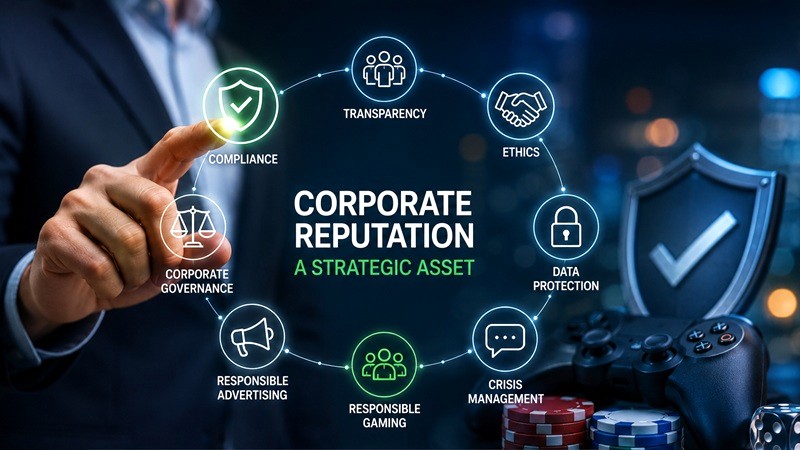
Regulatory compliance grants a license; reputation grants trust in how a company is perceived by regulators, investors, and partners. Responsible gaming is becoming a matter of reputation. Companies no longer communicate responsible gaming only because it is mandatory; they do so because it protects their brand, increasingly seen as part of corporate identity.
This is why marketing and communications teams play a fundamental role in shaping brand perception and positioning, implementing strategies that safeguard reputation and contain potential crises. Experts recommend addressing issues directly through the channels where they arise. Today, a crisis can start with a poorly received ad, an irresponsible campaign, a viral complaint, or an inadequate customer response.
Reputation no longer depends solely on traditional media. Social networks can strengthen or damage trust within hours -especially among younger players-, building or destroying a brand’s reputation overnight if there is no clear communication and marketing strategy.
This strategy should include:
- Corporate transparency: openly communicating policies, processes, and relevant decisions.
- Business ethics: demonstrating commitment to responsible practices and rejecting questionable conduct.
- Inclusion and diversity: reflecting equity values in campaigns, teams, and messaging.
- Responsible gaming: integrating player protection as part of brand identity, not just a regulatory requirement.
- Data protection: ensuring secure transactions and safeguarding personal information.
- Regulator relations: maintaining proactive, collaborative communication with authorities.
- Crisis management: establishing clear protocols to respond quickly to viral complaints, poorly received campaigns, or reputational incidents.
- Brand narrative: building a coherent story that conveys values, purpose, and social commitment.
- Strategic use of social media: monitoring conversations, interacting with players, and reacting in real time to protect trust.
- Responsible advertising: designing campaigns aligned with corporate ethics, avoiding misleading or irresponsible messages.
Reputation no longer depends only on the product; it also depends on how the company communicates with its customers.
Now, let’s talk about the importance of reputation with one of its most relevant target groups: investors. A company’s reputation has become a strategic asset that directly influences investment, negotiation, and partnership decisions. For them, reputation reflects how the company manages corporate governance, reputational risks, its commitment to sustainability, the integration of ESG criteria, and regulatory compliance.
A poor reputation can directly affect critical aspects of the business such as:
- Partnerships: loss of strategic allies or difficulty forming new collaborations.
- Expansion: obstacles to entering new markets due to lack of trust.
- Licensing: greater scrutiny from regulators and risk of not obtaining permits.
- Market value: decline in investor perception and reduced financial attractiveness.
In short, corporate reputation is no longer just an intangible; it is a decisive factor for attracting investment, consolidating partnerships, and ensuring long-term business sustainability. In an industry where regulation continues to evolve and public trust remains a challenge, corporate reputation has ceased to be the exclusive domain of communications departments. Today, it represents a strategic asset that can influence the decisions of regulators, investors, business partners, and players alike.