





See more of G&M News on Google
Add as a preferred source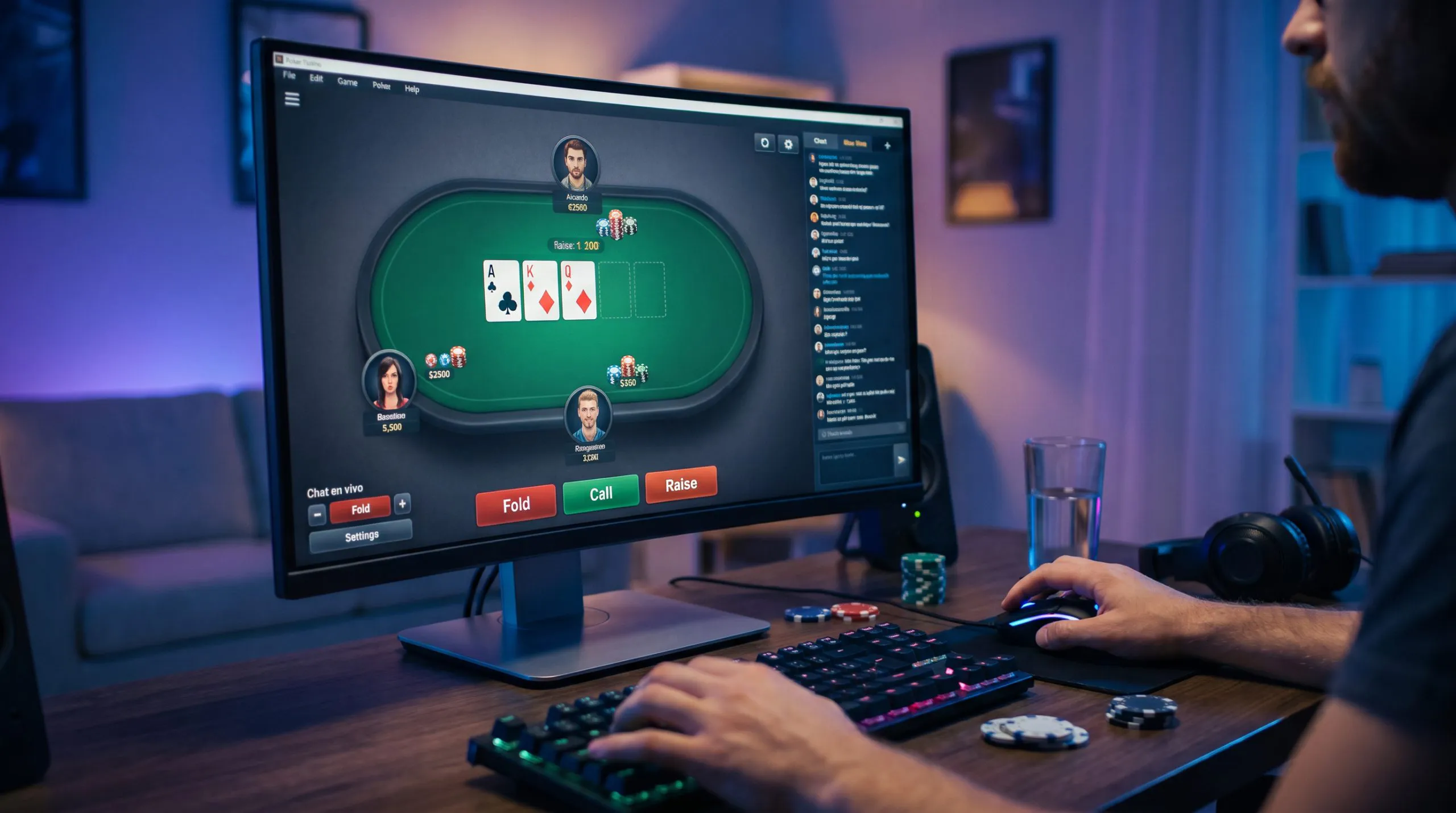
Poker has always rewarded patience, yet the time people have to give it keeps changing. Online poker rooms now build more of their lobbies around how long a session lasts. Short formats have become a regular part of that lineup, and three-player sit and go games are among the clearest examples. They show how recreational players fit a card game into a day that already holds work, errands and a phone full of other options.
Poker sized for a coffee break
A short format starts and finishes inside a window the player can plan around. The player knows from the start roughly how much of the day the game will take, which makes it easier to fit in between other plans.
For a recreational player, predictability matters as much as the game itself. Mobile play strengthens that habit, since a game can be opened during a commute or a break and closed again when it ends. A game that takes about as long as a coffee break is easier to say yes to on a Tuesday afternoon.
How a three-player sit and go works
An online sit and go is a tournament that starts as soon as its seats are full, so it needs no published schedule. Players register, the table fills, and the first hand is dealt. Blinds rise on a fixed timetable, which carries the game toward its end at a steady pace. Because only three seats are needed, the wait for a table is short. The three-player jackpot sit and go poker format shows this idea at its smallest scale.
Each table fills quickly, follows the same pace and ends in a single sitting. With only three players, the action comes around quickly, and there is little waiting between turns. The prize pool for these tables is set at random once the seats are taken, which adds a small element of surprise to a structure that is otherwise very predictable. Every game keeps the same shape from the first hand to the last, so a player always knows what kind of session is coming.
What it says about how recreational players spend their time
Recreational players treat poker as one entertainment choice among many. It competes with streaming, mobile games, and anything else that fits into a spare half hour. A format that respects that reality has an advantage over one that asks for an open-ended evening. The shape of the session becomes part of the appeal.
The same pressure shows up across digital entertainment. Research from MIDiA found that 36% of console gamers and 40% of PC gamers play fewer than five hours a week. When a single long role-playing game can ask for more time than a player has in an entire week, people choose what fits. Poker rooms have read the same signal and answered with games sized for the time players actually have.
Coverage of video games describes a similar pattern under the name player fatigue, where a flood of long and sprawling titles can wear down the interest of an audience that already has plenty to choose from. Poker’s answer has been variety in length. Short tables now sit beside longer tournaments and open cash tables, and each one serves a different kind of free time.
Shorter experiences also change what a session means to the player. Reporting on shorter games has pointed out that length and quality are separate things, since some well-loved titles can be finished in one sitting and still feel complete. The same idea applies at a poker table. A game that ends on schedule can feel as satisfying as one that runs for hours, and it leaves the rest of the day untouched.
What the industry can read from it
For poker rooms and game designers, the lesson is about structure. A format earns its place when the player can predict how long it will take and when it will end. Short poker games meet both conditions and leave very little distance between deciding to play and the first hand.
The random prize pool adds a second design idea, which is variety inside a fixed frame. Length and pace stay constant while the size of the prize changes from table to table. That keeps repeated play from feeling identical without making any single game longer. It also gives a returning player a reason to play again, since no two tables are guaranteed to carry the same prize.
Short sessions also change how a player moves between games. Someone can finish one game, take a short break, and decide whether another round fits the time that remains. That freedom to stop at a natural point is part of why the format suits people with a busy schedule.
Short formats will not replace longer ones, and they do not need to. Multi-hour tournaments and open cash tables still serve players who have an evening to spare. The growth of short games shows that poker’s audience now includes people who want a complete game in the time between two other tasks, and that the format has room for both.